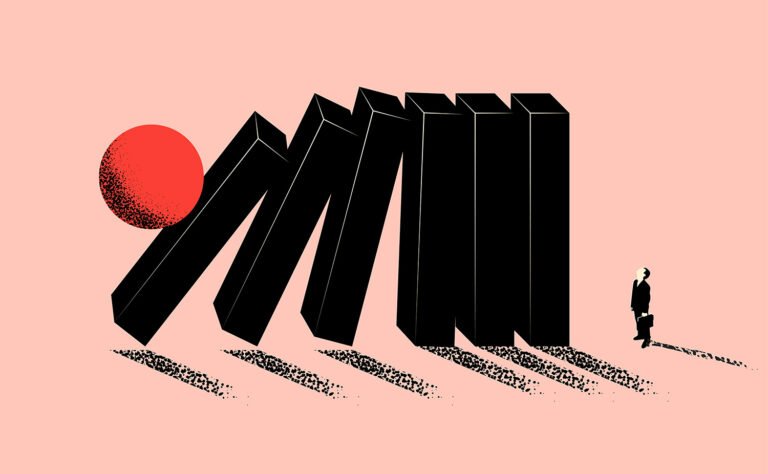
Your Skills Are Expiring Faster Than You Think. Here's the Real Fix.
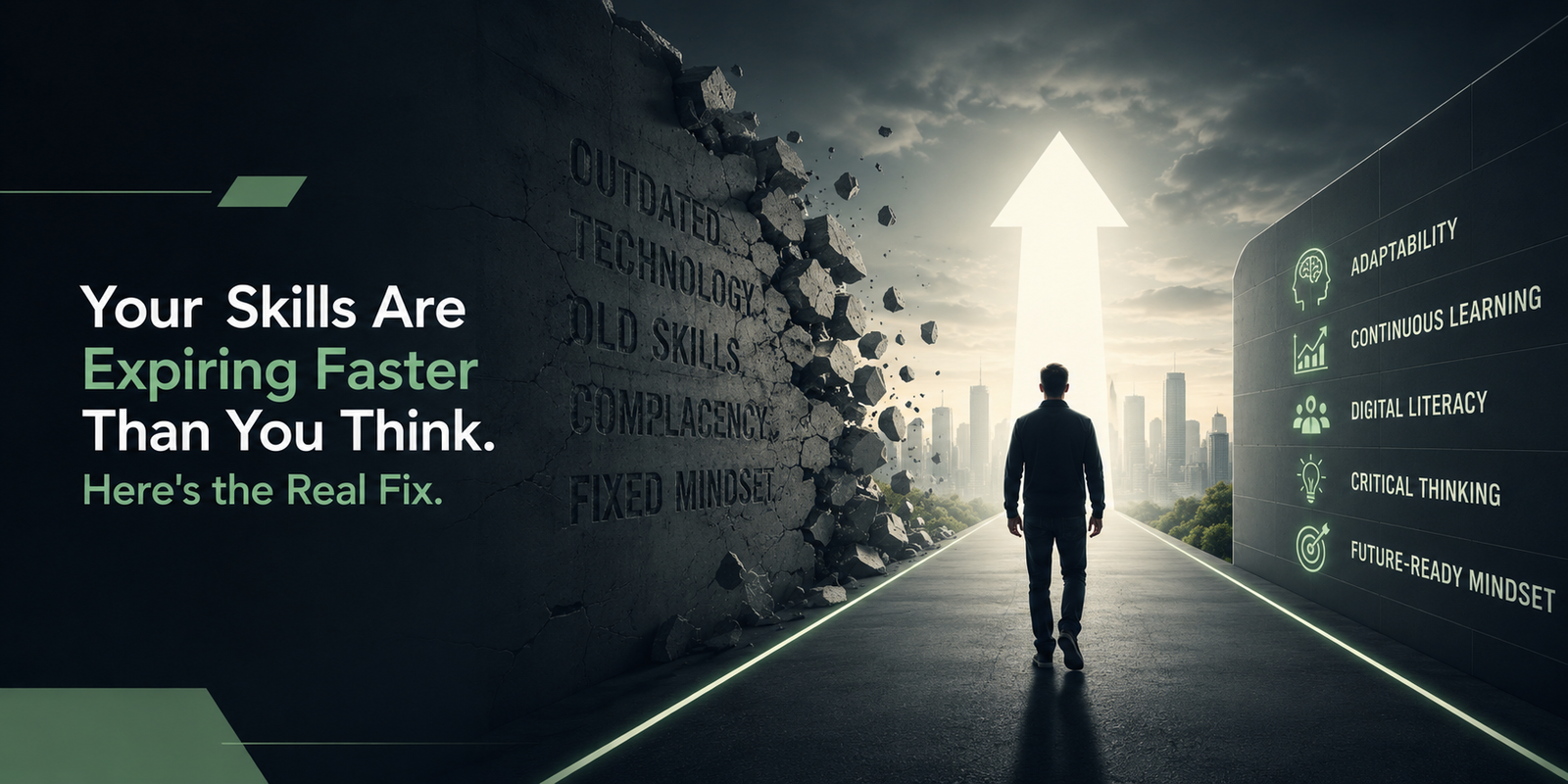
The skills that helped professionals succeed yesterday may not be enough to keep them relevant tomorrow.
Technology is changing how we work. Industries are evolving. Roles are becoming more complex. New tools, systems, and expectations are appearing faster than many people can keep up with. As a result, skills are no longer permanent assets. They are becoming living capabilities that need to be updated, practiced, and renewed continuously.
The real risk is not that people lack talent. The real risk is that their skills may expire before they realize it.
And the real fix is not simply more training. It is a smarter approach to continuous learning, adaptability, and human development.
The Half-Life of Skills Is Getting Shorter
In the past, professionals could rely on a fixed set of skills for many years. A degree, a technical qualification, or years of experience could carry someone through a long career path.
Today, that model is no longer enough.
Digital transformation, artificial intelligence, automation, data-driven decision-making, and changing customer expectations are reshaping almost every role. Skills that were once considered advanced can quickly become standard. Skills that were once optional can suddenly become essential.
This does not mean experience has lost value. It means experience must be continuously upgraded.
Professionals who do not refresh their skills may find themselves working harder while becoming less relevant. Organizations that do not invest in workforce development may find their teams falling behind even while the business continues to grow.
The Real Fix: Build Learning Agility
The most important skill for the future is not a single technical skill. It is the ability to keep learning.
Learning agility is the ability to adapt, absorb new information, apply it quickly, and adjust when conditions change. It allows people to stay relevant even when tools, markets, and roles evolve.
A learning-agile professional does not wait until their skills become outdated. They actively look for gaps, ask better questions, experiment with new approaches, and remain open to feedback.
For organizations, learning agility creates teams that can respond faster, solve problems better, and manage transformation with less resistance.
This is the real fix: not chasing every new skill, but building the capability to continuously develop the right skills at the right time.
From Skill Collection to Capability Building
Organizations Must Stop Reacting Late
Many companies only invest in skill development when a gap becomes visible.
A system fails.
A team struggles.
A transformation project slows down.
Employees resist change.
Performance drops.
By then, the organization is already reacting late.
Future-ready organizations take a different approach. They identify the skills and capabilities their people will need before the gap becomes urgent. They connect learning to strategy, business goals, and workforce planning.
The Role of Leaders in Skill Renewal
Leaders play a major role in whether people continue learning or stay stuck.
A culture of learning does not happen by sending employees to training programs. It happens when leaders encourage curiosity, allow safe experimentation, provide clear direction, and make development part of the team’s rhythm.
Leaders should help employees understand that learning is not a sign of weakness. It is a sign of relevance.
They should also model learning themselves. When leaders are open to new ideas, feedback, and change, teams are more likely to do the same.
The future-ready leader is not the one who has all the answers. It is the one who helps people keep building the capabilities needed to find better answers.
Conclusion: Skills Expire, But Growth Does Not
Your current skills may expire faster than you think. But that does not mean your value has to expire with them.
The real solution is not panic-learning every new trend. It is building a mindset and system for continuous growth.
For individuals, this means staying curious, adaptable, and proactive.
For organizations, it means creating cultures where learning is continuous, practical, and connected to real business needs.
The future will not reward people who simply know more today. It will reward those who can keep learning tomorrow.
Skills may expire.
But human potential does not — when it is continuously developed